September 30, 2026
erapickleball.com Pickleball Center: Academy Partnerships
By @johnnyhznm641
From the moment I first stepped onto a polished epoxy court, I understood how a center designed around the sport can become something more than a place to play. It can be a hub where learning accelerates, where players of all levels find a clear path from first dinks to tournament trails. That realization became the guiding thread for what Era Pickleball has built with its academies and partner programs. The erapickleball.com pickleball center model blends professional instruction with practical access to courts, gear, and competition. It is a deliberate structure aimed at elevating not just individual players, but entire communities around the sport.
The heart of this approach is the academy partnership. It is not a one-size-fits-all arrangement. It is an adaptable framework that respects local culture, player demographics, and the specific goals of a given facility. In practice, partnerships unfold through a shared language: performance metrics, coaching standards, facility staffing, and a calendar that aligns with peak playing seasons. During my own deep dives into successful partnerships, I watched two consistent patterns emerge. First, centers that embrace the academy model as an ecosystem—coaches, equipment, courts, and programming all working in concert—tend to deliver more durable outcomes for players. Second, the most successful programs treat partnerships as relationships, not transactions. They invite feedback, iterate on curriculum, and celebrate improvements that may seem incremental on a day-to-day basis but compound over months and years.
Era Pickleball’s academy ethos rests on three core ideas. The first is accessibility. A pickleball center should invite participation more than it gates it. This means flexible court rental options, inclusive pricing, and programs that accommodate beginners alongside seasoned players. The second idea is mastery through structured pathways. Beginners learn fundamental safety and technique, then graduate to progressive drills and endurance-building routines that mirror real competition. The third idea is professional stewardship. This means qualified coaches who understand pedagogy, performance analysis, and the realities of travel schedules for competitive players. In short, the academy isn’t just a class; it is a carefully curated journey.
The erapickleball.com pickleball center has built its reputation around turnkey solutions for partners who want to marry the sport with a sustainable business model. A typical academy partnership begins with a needs assessment. The erapickleball team visits the facility, studies the court layout, and inventories the gear. They map out a calendar that fits the local climate and the facility’s hours. They also outline a coaching framework that aligns with local certification standards and with Era Pickleball’s own coaching philosophy. This is not a rigid contract. It is a living blueprint that can adapt to changes in ownership, shifts in community demographics, or new seasonal peaks.
The partnership journey often looks like this: a center commits to offering a baseline of beginner-friendly programming and court rental options. Era Pickleball brings in a cadre of certified instructors who can lead clinics, private lessons, and group classes. The academy becomes the engine for ongoing player development, while the center benefits from predictable revenue streams and enhanced community visibility. It is a win-win that requires trust and clear communication. pickleball near me The most durable agreements are those where both sides view the relationship as an investment in people, not merely a business transaction. When done well, academies become the heartbeat of the center, a place where a visitor can watch a new player discover the sport, and a year later see that same player competing with confidence.
To understand how an academy partnership translates into real-world impact, it helps to consider the structure of a typical program, the roles involved, and the day-to-day operations that keep everything moving smoothly. One of the most important features is the coaching continuum. It begins with introductory sessions that emphasize safety, stroke mechanics, and court etiquette. From there, players advance through a ladder of progression that includes drills designed to build footwork, shot selection, and strategic thinking. The curriculum is not abstract. It is anchored by measurable milestones—improvements in control, accuracy, and decision-making during drills and match play. Coaches use video analysis selectively, focusing on key moments where a player can adjust weight transfer, racket face angle, or shot timing. The aim is not to overwhelm with data but to empower with clarity.
Erasing ambiguity around performance feedback is another essential element. In many centers, coaching can feel prescriptive and opaque. Era Pickleball has invested in a culture of constructive feedback that is timely and specific. A coach may point to a drill and say, for example, that a player should focus on keeping the paddle perpendicular to the direction of travel during a dink exchange. The same coach would follow up a week later with a quick comparison showing improvement in the drill’s target metrics. It is this kind of practical, evidence-based approach that helps players stay engaged and see their progress in tangible terms.
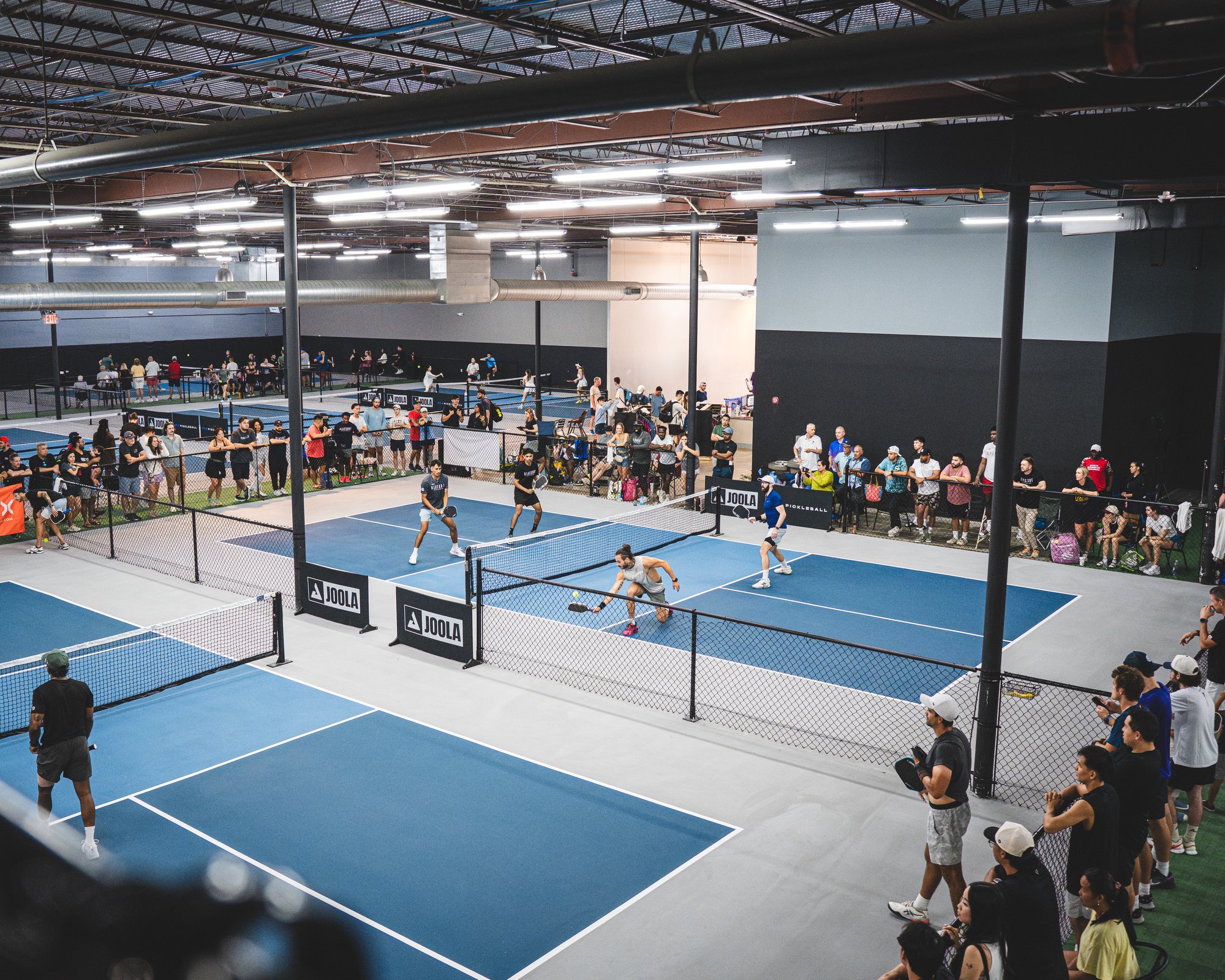
The academy model also requires thoughtful facility planning. A well-designed center uses space efficiently, balancing court time for instruction with opportunities for casual play and league events. The various zones—instruction courts, open play courts, tournament-ready surfaces, and an area for warmups and stretching—need to flow into one another. Lighting, acoustics, and ventilation matter as well because they influence the quality of practice and the players’ comfort levels during long sessions. In the best centers, every square foot is leveraged to maximize learning and enjoyment, while also enabling smooth transitions from class to practice to competition.
Below I outline the practical benefits and the potential caveats of academy partnerships, drawing on field experience and the dynamics that tend to shape outcomes in real facilities. I will also share a few candid observations about how these partnerships behave in the wild, where seasonal rhythms, local competition, and staffing realities can reshape even the best-laid plans.
A strong academy partnership delivers predictable value for players and for the center. For players, the benefits come in layers. First, there is the structural clarity. A well-defined progression path helps players understand what to practice, why it matters, and when they are ready to level up. Second, there is accountability. Regular coaching sessions, feedback loops, and performance benchmarks create a reinforcement cycle that accelerates improvement. Third, there is a social element. Training with peers, participating in clinics together, and sharing a common language around drills strengthen motivation and resilience. Finally, there is access. When a center partners with Era Pickleball, players gain easier entry to courts, equipment, and curated programming that matches their goals.
For centers, the value is equally concrete. A successful academy partnership can stabilize revenue through consistent programming. It creates a predictable pipeline of events, from weekend clinics to monthly programs, and it helps fill quiet midweek slots. The center gains credibility by association, because the Era Pickleball brand carries a track record of coaching quality and player development. That credibility translates into increased member retention, higher per-visit spend, and a more robust calendar of events that draws players from surrounding communities. A strong academy also improves staff morale. Coaches get access to ongoing professional development, data-driven feedback, and a forum to share best practices. That professional growth, in turn, helps the center attract better staff and elevate the overall standard of instruction.
There are, of course, trade-offs and edge cases to consider. Not every partnership will hum along at the same pace, and not every center will see immediate financial windfalls. A common challenge is aligning the coaching cadence with local demand. If a community has a small player base, aggressive programming can lead to bottlenecks and burnout among staff. Conversely, if demand is high but the center underinvests in coaching, players may drift to competitors who offer more structured instruction. The key is to set realistic expectations from the start, with a phased rollout that scales coaching capacity in step with enrollment growth. It also helps to keep the programming flexible. Clinics can be added or adjusted based on seasonal interest, school schedules, and local tournaments, ensuring that the center remains responsive to the community’s needs rather than tethered to a rigid calendar.
Real-world nuance often reveals the importance of partnerships with complementary programs. A center can maximize impact by pairing the academy with robust court rental options. When players have easy, affordable access to courts, they are more likely to practice what they learn in structured sessions. The court rental model should be straightforward yet flexible. It can include a mix of hourly rates, punch cards for frequent players, and discount packages for students and seniors. The idea is to keep the math simple enough that players feel confident planning their week around practice and play. The efficiency of scheduling is equally important. Online booking that shows real-time court availability, bundled coaching plus court time, and clear cancellation policies reduces friction and builds trust with members.
One area where experience matters is staffing. An academy that relies on a small, inconsistent coaching roster will struggle to deliver the steady progress players crave. Conversely, a well-staffed program with a diverse set of coaches—some focusing on fundamentals, others on tactical play or advanced strategies—creates a richer learning environment. In my experience, successful centers appoint a lead coach or director who acts as a single point of accountability for curriculum, safety standards, and performance metrics. This person coordinates the coaching team, maintains the curriculum map, and serves as the liaison between the center and Era Pickleball. The director also champions ongoing professional development, ensuring coaches remain current on technique, equipment considerations, and best practices for inclusive programming.
To ground these concepts in practical steps, here is a concise blueprint for centers considering an academy partnership with Era Pickleball:
- Start with a needs assessment. Survey players, instructors, and facility staff to identify gaps in programming and court utilization. Gather data on peak times, demand for clinics, and interest in league play.
- Define a clear coaching framework. Establish core skills, progression milestones, and safety protocols. Align the curriculum with Era Pickleball standards while leaving room for local adaptation.
- Build a sustainable calendar. Create a rhythm of clinics, private lessons, and group classes that complement court rental. Ensure there are dedicated slots for open play and tournaments to keep the center busy and engaging.
- Create flexible pricing. Offer a mix of memberships and pay-as-you-go options. Consider bundled packages that combine coaching with court time, appealing to players who want both guidance and practice space.
- Invest in staff development. Schedule regular training for coaches, provide feedback loops, and create opportunities for observation and cross-pollination between centers in the network.
- Establish performance metrics. Track attendance, retention, revenue per court hour, and player progress. Use simple dashboards to keep the team focused on what matters most.
- Foster community. Encourage social play, invite guest instructors, and celebrate milestones with players. A strong community backbone sustains engagement beyond formal classes.
The narrative above is not just a product of theory. In practice, one of the most powerful signals of a healthy academy partnership is the way it matures over time. A center that starts with a handful of clinics and a modest court rental program can see a remarkable transformation after eighteen to twenty-four months. Enrollment climbs as word spreads through schools, clubs, and social circles. New players walk in and soon tell their friends about a place where they learned the fundamentals without feeling overwhelmed. Seasonal cycles can be harnessed for growth. Summer programs often drive beginners into more structured fall curricula, while winter offerings can keep members actively engaged when outdoor play is less viable.
The patient, incremental gains that come with a mature academy partnership also filter through the facility’s culture. When coaches are aligned on technique and student expectations, you see fewer inappropriate substitutions in drills, more consistent safety practices, and better on-court etiquette. These are the quiet improvements that accumulate into a strong reputation. A center that prioritizes high-quality programming and accessible court access tends to attract families, school groups, and local clubs that might otherwise drift toward larger, impersonal facilities. The human aspect—the sense that someone cares about your progress and your enjoyment of the game—is often what makes the difference between a casual participant and a loyal member.
Let me share a few real-world contrasts that illustrate how the academy model can interact with different center contexts. In one case, a mid-sized community center with a long history of volleyball programs embraced the Era Pickleball partnership with enthusiasm. They repurposed a handful of unused courts for pickleball and launched a series of beginner clinics that targeted elementary and middle school students. The result was immediate: a surge in youth participation, a steady stream of families attending weekend clinics, and a noticeable uptick in court reservations during times that previously sat idle. The coaches benefited from a structured curriculum and the assurance of ongoing professional development. The center benefited from increased foot traffic, enhanced reputation, and a sustainable revenue mix that blended instruction with casual play.
In another scenario, a suburban fitness club with a strong emphasis on trend-driven classes faced a different challenge. They needed to demonstrate that pickleball could fit within their wellness-focused brand without diluting it. Here the academy partnership worked by carving out a specialized lane: high-intensity practice blocks and technique-focused clinics that attracted serious players while preserving space for casual members who used the courts for social play. The balance was delicate but achievable with transparent scheduling and a clear understanding of capacity limits. The outcome was a center that could offer a sophisticated product—a well-curated set of clinics, a reliable court rental pipeline, and a welcoming level of accessibility for new players.
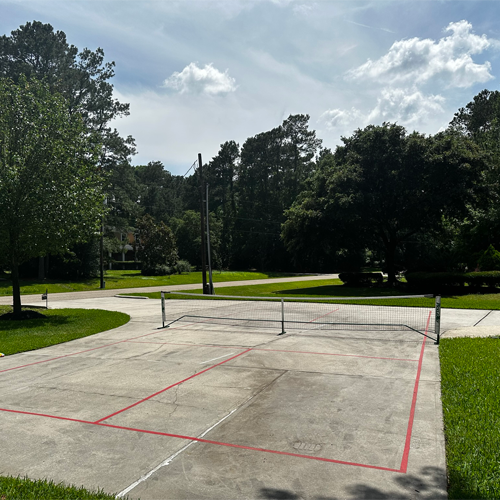
Across these experiences, one recurring factor stands out: the value of a robust court rental program integrated with the academy. Courts are the stage on which all training comes to life, and access to those courts is what converts intention into practice. A center that makes court time predictable and affordable sustains practice habits, which in turn reinforces learning and commitment to the sport. The rental structure should be straightforward, with transparent pricing and easy online booking. Ideally, players should be able to secure a court for a private lesson immediately after a coaching session, creating a seamless path from learning to applying new skills in a match setting.
Partnerships are at their best when the relationship is measured not only by numbers but by the level of satisfaction among players and coaches. Satisfaction surveys, occasional focus groups, and informal feedback channels help ensure that the program remains responsive to needs. It is not unusual for a center to discover that certain times of day are particularly favorable for clinics or that certain coaches resonate more with parents of younger players. When feedback is welcomed and acted upon, the academy becomes a living organism—adapting to the rhythm of the community rather than forcing the community to fit a preset plan.
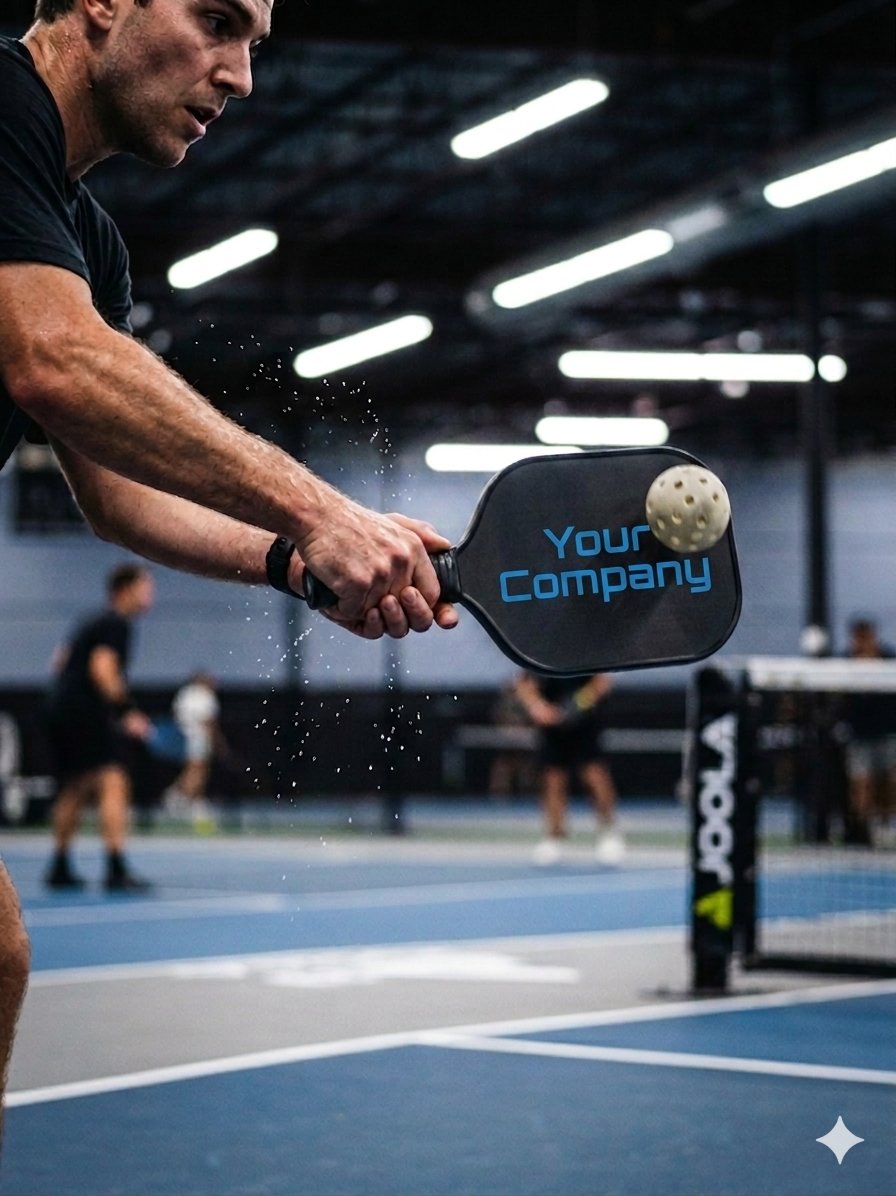
In many ways, this approach mirrors the ethos of Era Pickleball itself. The company has long valued practical, coach-led development that translates directly into better on-court performance. The academy partnerships are intended to reflect that philosophy in real places, with real people, and real schedules. It is not a theoretical construct but a pragmatic framework designed to scale quality coaching while preserving an intimate, community-driven feel. The goal is to help centers build durable, enjoyable experiences that players remember long after their first lesson.
A word on sustainability and long-term considerations. The most durable partnerships are those that anticipate staff turnover. Even the best coaches will cycle through, whether due to career progression, relocation, or personal reasons. A robust program accounts for this by maintaining a bench of qualified instructors, a well-documented curriculum, and clear onboarding materials for new coaches. This reduces disruption and helps preserve instructional quality during transitions. It also means investing in a strong recruitment pipeline—local college players, former competitive players, and certified instructors who can bring fresh energy while staying aligned with core methodologies.
Budget discipline matters as well. A center should allocate funds for equipment upkeep, court maintenance, and technology that supports instruction. A few practical investments can go a long way: high-quality paddles and balls that stay consistent across sessions, video analysis tools that are simple to use and easy to interpret, and a dependable scheduling system that minimizes double-bookings and cancellations. The aim is to create a frictionless experience for players and staff alike. A well-managed balance sheet gives confidence to the leadership team and to Era Pickleball that the partnership will endure through changing market conditions.
As you consider implementing or expanding an academy partnership, a few concrete questions can help guide the decision-making process. Does the center have a clear plan for onboarding players who are new to the sport? Is there a pathway that allows beginners to progress into more advanced play without leaving the facility? How will the center manage peak times when demand for instruction and court rental might collide? What mechanisms exist for ongoing coach development and quality assurance? How will the program measure success beyond revenue, focusing on player development and community impact? Addressing these questions early can save time, align expectations, and produce better outcomes for everyone involved.
The value of Era Pickleball’s academy partnerships is not just in the numbers. It shows up in the quiet, steady improvements you observe in players—finger spatials that become more precise, footwork that feels lighter, and the kind of on-court confidence that comes from knowing you have a plan and a place to practice. It shows up in the way a center opens doors for youth programs, adult leagues, and corporate events, weaving the sport into the fabric of daily life. It shows up in the staff who feel supported and motivated, who see a path for growth, and who bring their energy to work every day with a clear understanding of how their role contributes to something bigger than a single class or a single tournament.
For anyone reading with an eye toward a potential partnership, the invitation is simple. Start with curiosity and follow it with clarity. Look for a partner who can offer a framework that adapts to your community rather than trying to force a template onto your facility. Seek a collaboration that respects local culture, values player development, and provides a sustainable business model for the center. And above all, look for an arrangement that keeps the courts busy and the players engaged.
In sum, the erapickleball.com pickleball center approach to academy partnerships offers a thoughtful blueprint for turning a facility into a thriving hub of skill, community, and ongoing motivation. The model recognizes that teaching and playing are inseparable, that access and instruction must be balanced, and that success is defined not only by wins on the scoreboard but by the growth of the players and the strength of the communities around them. When these elements align, a pickleball center becomes more than a place to learn a sport; it becomes a place where people discover the best version of themselves through the simple, demanding, joyful act of hitting a ball over a net. The courts become a shared stage, and the academy becomes the shared script by which players, coaches, families, and neighbors tell their ongoing pickleball story.
❧