September 30, 2026
erapickleball.com Pickleball Court Rental: Book Online
By @johnnyhznm641
When you walk into Era Pickleball, you feel the same thing that keeps players coming back to a well-tuned court: a quiet confidence that the space will meet you where you are, no fuss, no excuses. The clay color of the floor, the hum of the HVAC, the soft thud of a pickleball meeting a paddle — all of it adds up to a kind of practical ritual. This is where skill grows, schedules get kept, and communities form around the simple act of showing up with a paddle in hand.
Era Pickleball has built a reputation on more than just great courts. It is a complete ecosystem for players of all levels, from curious beginners to seasoned competitors. The online court rental system stands as a clean, efficient gateway to that ecosystem. It is easy enough for a first-time guest to navigate, yet powerful enough to support regulars with features that respect their time and focus their energy on what really matters: the game.
In this piece, I want to walk you through how the erapickleball.com court rental process works, what makes it reliable, and how you can use it to get the most out of your time on the court. I’ll weave in practical tips from real-world practice — what to bring, what to expect on busy evenings, how to handle equipment, and how to adjust if you’re coordinating a group or heading solo to a pickleball session. There is a texture to planning a practice, a cadence to booking, and a few tiny decisions that can turn an ordinary game into a consistently productive one.
A practical backbone: what you can expect when you book online
The booking interface feels like a well-designed piece of gear. It is fast to load, structured in a way that mirrors the way most players plan a session, and it tends to reduce friction at every step. You choose a location, select a date, and pick a time slot. The page then displays the available courts and times, with a clear indication of duration and cost. If you are unfamiliar with the site, imagine stepping into a well-organized front desk, where every question has a straightforward answer and every option is visible without having to hunt through menus.
One feature I appreciate is the real-time availability display. If a friend calls to say they can join for a quick session, you can see instantly whether your preferred court is open, and you can shift plans without playing phone tag. The process is designed around efficiency, but without feeling transactional. You are paying for access to a space where you will play, not for a transaction that ends after you press Pay. The system not only confirms your booking but also sends reminders and provides a straightforward path to reschedule or cancel if your plans change.
Security is another notable strength. The platform uses standard, widely adopted patterns to protect payment information and personal data. There is a clear section about cancellation windows and refund policies, which helps players manage risk. You know where your money stands, and you know what to do if your plans shift. That kind of clarity is invaluable when a session might be the hinge point between a productive evening and a missed opportunity.
A sense of locality: how Era Pickleball centers organize booking across spaces
Era Pickleball centers are designed to accommodate a broad spectrum of players, from the very first swing to the most serious drills. The booking system reflects that range. If you attend solo to work on a serve and volley pattern, you might reserve a single court in a quiet corner during a midweek lull. If you’re coordinating a small group, you can book multiple courts to keep everyone in view and on schedule, with enough time built in between sessions for warm-up and transition.
What matters is the rhythm you establish with the space. The online rental system makes it simple to pair a lake of practice with a predictable cadence: warm-up, drill time, and match play in a loop that can be repeated weekly with minor adjustments. In practice, this becomes a powerful routine. The ability to lock in the same time block each week fosters momentum; your muscles learn the rhythm of the booking as much as they learn the points on the court.
The right questions to ask before you book
When you start the process, you should map out your goals for the session. Are you working on service returns against a specific opponent? Are you building endurance through a longer, more continuous rally? Do you want to invite a teammate to practice positioning and communication at the net? Asking these questions in advance helps you choose the right court, the right time, and the right duration.
It is also worth noting the differences between weekend peak times and weekday off-peak hours. If your schedule is flexible, you might aim for a midweek morning session when the facility feels less crowded and the courts are quieter. You can still get a lot done in a shorter period, and the quality of your practice can rise with the reduced noise and fewer interruptions. For players who thrive on social play, weekend evenings provide the energy and camaraderie that keep practice from feeling like a grind. The key is to align your expectations with the environment that particular booking window yields.
What to bring and how to prepare for a rental session
Preparation is a friend to performance. A few well-chosen items can streamline your session and keep you focused on ball flight rather than logistics.
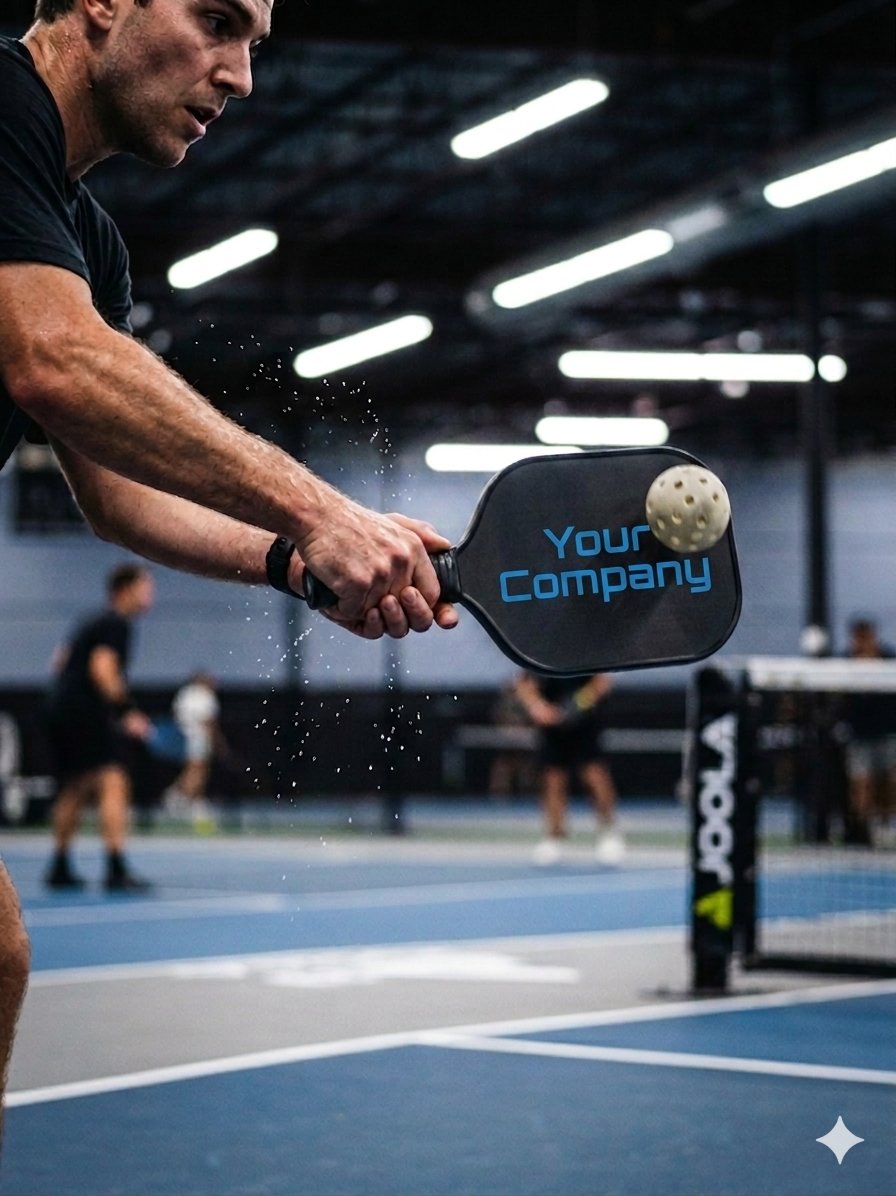
- Your paddle and at least two paddles if you’re sharing a session with a partner who might borrow. Many players find it helpful to bring a spare paddle just in case the one you rely on develops a grip issue or a minor mechanical hiccup.
- Non-marking athletic shoes that grip well on indoor court surfaces. The wrong footwear can sap your swing tempo and throw your footwork off balance.
- A bottle of water and a towel. Hydration matters more in a sport that rewards short bursts of explosive movement and sudden direction changes.
- A light jacket or sweatshirt for the early or late hours when the temperature dips, plus a hat or headband if you are sensitive to airflow near the court.
- Sunscreen if you are playing in a space with any natural light that filters through windows during outdoor-leaning setups or if your session drifts toward the late afternoon.
The logical flow on a typical rental day is simple: arrive a few minutes early, pick your court, and set up your gear in a comfortable rhythm. If you are sharing space, agree on a signal for rotation, keep the court tidy between games, and use the space left between sessions to adjust your approach based on what you observed in the last set.
The nuances of court surfaces, lighting, and equipment discipline
Indoor court conditions are a kind of invisible curriculum that teaches you how to adapt. The floor surface affects the ball’s bounce, and the lighting can influence depth perception, especially during long rallies that run toward the baseline. If you notice that the ball is accelerating in certain zones or that the net feels slightly uneven in a given court, treat it as a cue rather than a distraction. Small irregularities teach you how to adjust your timing, your footwork, and your sense of anticipation.
Buying into a shared space also means buying into a shared etiquette. A well-run era pickleball center is a place where players maximize safety and courtesy. If you’re waiting for a court, a quick check-in with the front desk to confirm available time or the possibility of extending a session shows respect for others who are trying to book in the same window. When you finish, you do a quick reset: wipe down any sweat on high-use areas, gather your belongings, and — if you have a partner partner — confirm your next reservation or plan.
A closer look at the Era Pickleball system: reliability in practice
One of the most valuable facets of erapickleball.com court rental is the reliability that underpins every booking. The platform is designed to handle high demand, with transparent pricing and clear policies that minimize ambiguity. The user experience is not about clever marketing jargon; it is about delivering a smooth, predictable experience that matches the functional requirements of a weekly practice.
Reliability manifests in several ways. First, there is predictability: you pick a date and a time, and you get a confirmation that is immediate and legible. Second, there is flexibility and resilience: if an unforeseen schedule shift occurs, the system supports quick changes with minimal disruption to your plans. Third, there is accountability: you can review your booking history, see past sessions, and manage future ones without fear of losing standing or access to courts.
When it comes to accountability, there is also a human layer. Behind the online interface, era pickleball centers maintain a local staff presence that understands the idiosyncrasies of their spaces. The team members are often players themselves who have competed, coached, or volunteered in the community. They can troubleshoot small issues, offer practical advice about court layout, and share tips for maximizing the utility of your practice time. That blend of digital precision and human insight creates a robust infrastructure that supports players in a way that a purely automated system cannot.
Booking for groups: coordinating practice with teammates and friends
For groups, planning can feel like a choreography exercise. The online booking platform makes the initial steps straightforward: you reserve the number of courts you need, set the duration for the entire session, and then share the booking details with your teammates. A thoughtful approach to group practice recognizes that each player has a different rhythm. Some people arrive early for a warm-up drill, others join in a late-stage rally match, and a few might want to squeeze in a quick practice after a meeting. The system accommodates these needs by allowing flexible time blocks and the possibility to add additional players to a session.
If your group’s dynamic is more formal, you can designate a lead player who manages the booking and communicates the plan to everyone else. For informal groups, a quick message thread or group chat can handle adjustments: a new teammate who can only join for a short window, an extension that pushes a session late into the evening, or a change of courts due to minor maintenance. In practice, the online rental system is a facilitator rather than a bottleneck; it helps your group find a workable arrangement rather than forcing everyone into a rigid, one-size-fits-all schedule.
The tradeoffs of online booking versus walk-in sessions
There is something satisfying about showing up and securing a court on the spot. It brings a degree of spontaneity and can be ideal for players who want to gauge the vibe of the facility and the crowd. However, the online court rental approach offers a number of concrete advantages that often outweigh the flexibility of a walk-in visit.
First, predictability. You know what time you are scheduled to be on the court and why you should be there at that moment. Second, efficiency. You reduce the time spent waiting, negotiating, or searching for a free court, which means more actual playing time. Third, the ability to plan. When you book in advance, you can build a practice arc around your goals for the week, month, or season. You are not pickleball near me chasing a last-minute free slot; you are investing in a structured approach to improvement.
That said, there are times when walk-in sessions make sense. If you are traveling with limited time, if you want to test a new court without committing to a longer block, or if you want to see the community in action before deciding on a more permanent routine, a spontaneous visit can be a rewarding experience. The system remains flexible enough to support those moments, but the default expectation is that the online rental option will offer the most reliable path to a productive session.
What makes a good rental session endure beyond one night
A single good practice is a start, but the value comes from consistent, repeatable sessions. The court rental system supports that by enabling you to lock in stable time blocks, maintain a steady cadence, and measure improvement over time. A structured schedule lowers the cognitive load associated with practice. When you do not have to question whether you have court time, you can center your attention on what you want to learn and how you want to apply it in drills and live play.
To build a durable habit, consider pairing your booking routine with a pre-session checklist. Confirm your warm-up plan, the specific drills you want to run, and a rough target for the day’s rally length. If you keep a small notebook or a digital log, you can track what works and what needs adjustment. The feedback loop becomes tangible when you can review your notes after a session and adjust your next booking accordingly. The rental system is the backbone of that loop, providing the space and cadence you need to translate practice into measurable progress.
The role of the pickleball community in the rental experience
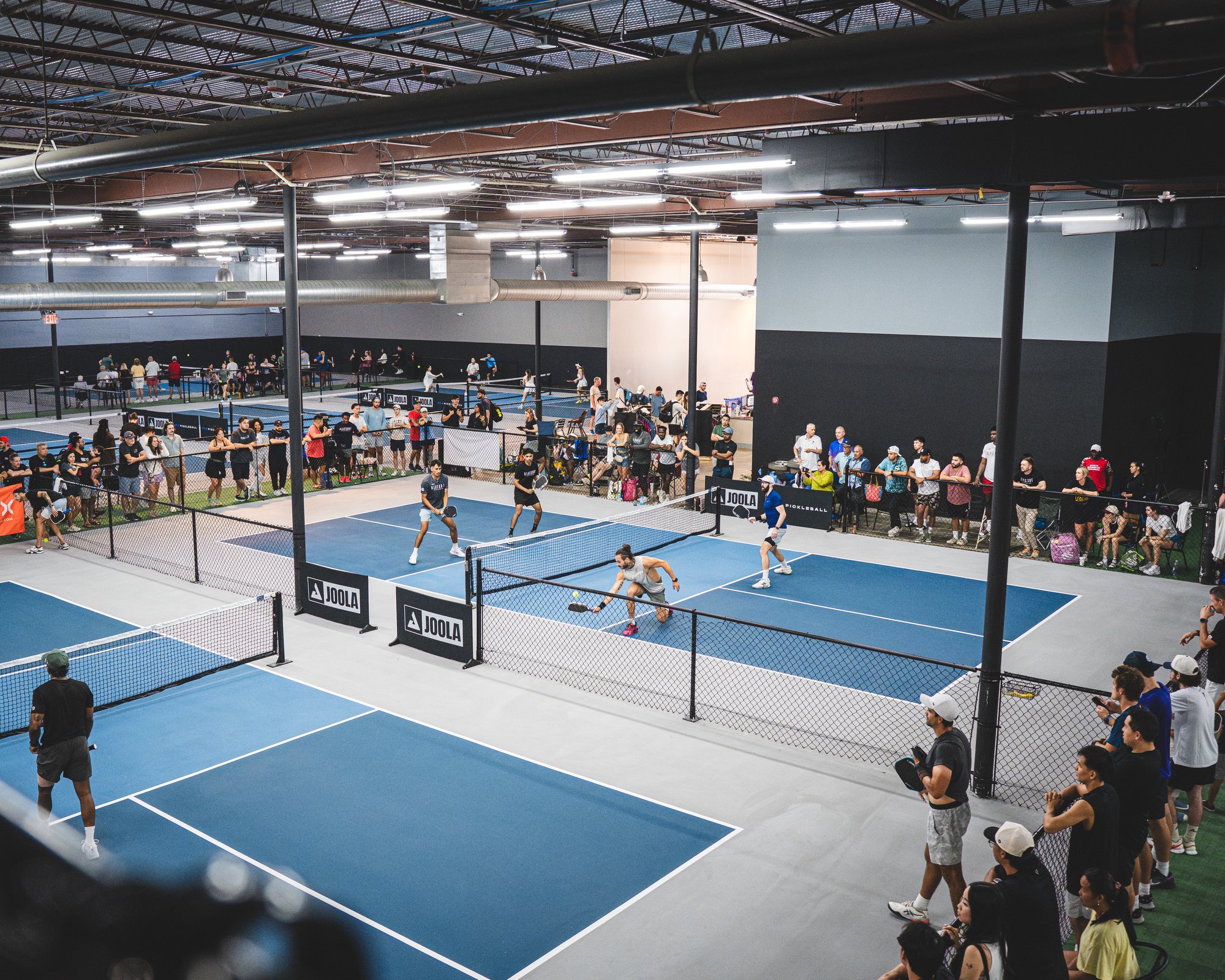
Era Pickleball centers are more than facilities; they are communities that cultivate confidence and camaraderie. The booking process is the portal through which players enter that ecosystem. When you book a court, you are not merely renting a space; you are signing up for a social microculture where players share tips, celebrate improvements, and respect the rules that keep the space safe and welcoming for all levels.
The community aspect often shows up in subtle ways. People greet one another in the lobby, trade advice about footwork and paddle selection, and form small practice pods that meet weekly to refine a certain skill set. Even if your primary aim is to work on your own game, you will likely encounter someone who can offer a fresh perspective on your technique or help you spot a tendency you had overlooked. The online court rental system is a facilitator of that human connection, removing friction so players can focus on the shared joy of the sport.

From the desk of experience: a few practical anecdotes
Over the years I have rented courts in a handful of different contexts, from quiet weekday sessions to crowded weekend leagues. The difference often comes down to small issues that the system helps you navigate. For example, during a busy Saturday stretch, a minor glitch in the scheduling software could have cascaded into a cascade of frustrations. Instead, the platform displayed a clear error, and the staff quickly offered a workaround: a temporary hold on the next available court while the system refreshed. The result was a seamless continuation of play. It wasn’t dramatic, but it was the kind of reliability you notice after you have invested time into a weekly routine.
I also recall a moment on a Friday evening when a group of four friends decided to enter a little mini-tournament within their rental block. The platform allowed them to reserve the courts back-to-back and to label each match so everyone could track progress without stepping onto a court and interrupting someone else’s rally. That small feature — the ability to assign a label to a game and reuse the same courts within the same booking window — made a night that could have been chaotic feel organized and efficient.
The balance of cost, value, and expectations
Pricing for court rental at Era Pickleball reflects a pragmatic approach. The aim is to provide fair value for the amount of court time you receive, plus the quality of the surface, lighting, and air handling in the facility. If you go for longer blocks, or you book during peak hours, you should expect a higher price point. The system typically presents price and duration transparently before you confirm your booking, so you can compare options without needing to ask staff for a quote or cross-check a broadcasted schedule.
For most players, the value lies not simply in the time on the court, but in the quality of the session. There is a meaningful difference between practice that unfolds on a court that is well maintained, well lit, and well ventilated versus a space that feels like a compromise. The rental model recognizes that by pricing accordingly, allowing players to align cost with the level of physical comfort and performance they expect to experience. That alignment matters because it reduces the cognitive load involved in deciding when to book and how long to stay.
Advanced tips for optimizing your online booking experience
If you want to squeeze every drop of value from the online booking system, consider these practical tips that come from long evenings spent chasing a reliable rhythm.
- Create a weekly habit. Reserve the same time slot each week if possible. This Predictable pattern reduces the friction of decision-making and gives your body a reliable training signal.
- Build in recovery windows. Don’t fill the entire block with back-to-back drills. Allow a few minutes between activities to hydrate, stretch, and reset your brain for the next phase of practice.
- Use the comments field to communicate intentions. If you are coordinating with a partner or a coach, a brief note about your goals for that session can help others align their practice too.
- If plans change, act fast. The sooner you adjust your booking, the better your chances of preserving your preferred time and keeping costs under control.
- Bring a small kit for quick adjustments. A tape, grip spray, and a spare pair of socks can save a practice from being derailed by minor issues that arise on a busy night.
A future where booking feels almost seamless
The ongoing evolution of erapickleball.com pickleball court rental reflects a broader trend in how athletes organize training and find space to practice. The more the system understands about user behavior, the more it can anticipate needs and streamline the process. For players, that means fewer interruptions, more consistent practice, and a deeper sense of belonging within a community that shares a love for the game.
As with any service that centers on a physical activity, there will be edge cases. Sometimes a court window could be delayed by maintenance, or a reservation could be bumped due to an overrun in a prior booking. In those moments, a transparent, calm, and solution-oriented approach by the staff can make all the difference. You want to leave with a clear plan, not a web of excuses. The best centers handle these moments with minimal drama, offering a fair path forward and a sense that you are valued as a regular participant in the community rather than a mere transaction.
The human element remains essential, even as digital systems improve
The online booking system is powerful, but it is not the whole story. The true strength of Era Pickleball centers lies in the people who run them — staff who understand the sport, know the regulars, and treat every guest with respect. The marriage of a dependable booking engine and a thoughtful front desk experience creates a space where players feel seen and supported. You can be confident that your practice location will be ready when you arrive, your equipment will be treated with care, and your time on the court will be productive.
If you are new to era pickleball centers, you might consider visiting during a lighter period to observe how the space operates, how players interact, and how the staff handles the flow of court assignments. A little firsthand familiarity can translate into smoother sessions later. After all, the more you know about the ecosystem, the more you can tailor your booking to maximize growth and enjoyment.
A closing meditation on the value of disciplined practice
Pickup sessions, group clinics, or solo drills — the thread that ties all of these together is intention. The online court rental system furnishes you with the stage and the clock, but your growth hinges on how you use those tools. The beauty of pickleball lies not only in the speed of your reflexes or the accuracy of your serves, but in the way you apply deliberate practice to sharpen your decision making, your court sense, and your rhythm under pressure.
In the end, the erapickleball.com court rental experience offers a practical fusion of accessibility and quality. It is designed to make it easier to schedule, easier to adjust, and easier to show up ready to play. Whether you are carving out a quiet hour after work or coordinating a weekend mini-tournament with friends, this platform supports you in turning time on the court into a durable resource for skill development and social connection.
If you are reading this with a plan forming in your mind, I would encourage you to sketch it out. Pick a date, reserve a court, and pair that booking with a simple, repeatable practice recipe. You could begin with a 15-minute warm-up, followed by 30 minutes of targeted drills, and end with a 15-minute match or rally-focused play. It is not the only way to do it, but it is a solid approach that rewards consistency. As you keep showing up, you will feel your technique stabilize, your footwork sharpen, and your confidence grow in tandem with the calendar.
And so, as you look at the erapickleball.com pickleball court rental options, remember that you are not just buying time on a court. You are investing in a habit, a community, and a pathway toward improvement. The system is there to support you, but the energy comes from your willingness to commit to the practice, to show up, and to bring your best game to the court. In that space between booking confirmation and the final rally, the sport reveals its quiet magic: a place where effort meets opportunity, and where every serve writes a small chapter in your ongoing pickleball story.
❧