September 30, 2026
Pickleball Center Era Pickleball: Tournaments and Events
By @johnnyhznm641
The first time I walked into Era Pickleball’s center, the air smelled faintly of new paint and chalk dust, a reminder that a physical space can be as alive as the players who fill it. Tournaments used to feel distant, almost mythical, reserved for teams with glossy sponsor sheets and a calendar full of flights. Inside Era Pickleball, tournaments are visible in the floor’s scuffs, in the murmur of early morning warm-ups, and in the crisp snap of a referee’s whistle that cuts through the chatter like a clean line drawing. This is where the era of high caliber pickleball events begins not with swagger but with steady, practical craft.
Era Pickleball has built a center that feels purposefully designed for events as much as for daily practice. It is no accident that the schedule reads like a well-curated menu: doubles closings, mixed doubles rounds, cardio drop-in sessions, junior clinics, and seasonal showcases. When you walk through the glass doors, you encounter a map of the building pinned with event flyers, the kind that make casual visitors pause and imagine themselves on center court with a crowd that leans forward in anticipation. The center’s ethos blends rigorous competition with accessible learning—an approach that aligns with the broader mission of Era Pickleball pickleball center, a place where every rung on the ladder is visible, achievable, and priced with fairness in mind.
In practice, organizing tournaments here resembles a long, patient conversation rather than a single grand gesture. It begins with the physical layout. The center’s courts are arranged in a configuration that supports continuous play without masking the social fabric of the event. Guests arrive to a registration desk staffed by people who know the habit of a tournament day: the handful of players who arrive early to stretch and the others who come bearing coffee, bags already weighed down with spare grips and extra towels. A well designed music queue sits in the background, not loud enough to drown a scoreboard announcement, but just audible enough to create momentum as the warmups begin. The effect is subtle, but it matters. A tournament should feel like a living organism, not a flyer taped to a corkboard.
The experience of a tournament day is shaped by the way the event staff treat players. In an era where venues reframe themselves as entertainment hubs, Era Pickleball remains anchored in service. The registration process is clear and friendly, with a quick check of eligibility, a reminder about court etiquette, and a path through through the day’s schedule that feels almost ceremonial. The referees carry themselves with a calm authority that comes from experience; they know when to let a rally breathe and when to step in with a decisive call. The scorekeeping is modern, but never sterile. Large screens show live updates, and every court has a dedicated announcer who can pivot from a highlight reel to a personnel notice with the same careful pacing you’d expect from a well paced radio broadcast.
What distinguishes the Era Pickleball center from other venues is the degree to which the event ecosystem extends beyond the court. Tournaments here are not one-off spectacles; they are integrated experiences that radiate into adjacent spaces. A corner gallery hosts past season statistics and a rotating exhibit of equipment from pickleball academy Era Pickleball, inviting spectators to spot trends as easily as players recognize angles in a backhand. A lounge area functions as a temporary clubhouse, where coaches meet with families, players compare equipment, and the younger athletes practice footwork on a cushioned mat between matches. The entire environment—courts, seating, lounge, and gallery—creates a quiet theater where the sport unfolds with natural drama rather than manufactured hype.
From the perspective of a coach or a player, one central theme emerges: preparation. Era Pickleball events are not simply a stacking of matches; they are the product of a carefully choreographed sequence of practice, scouting, and refinement. The center’s staff acknowledges that every tournament has an element of unknowns. Weather inside a climate controlled facility remains predictable, but the human factors—injuries, fatigue, the subtle shifts in form when a player is tested under pressure—are the variables that truly determine outcomes. The organizational mindset is to minimize preventable friction so that the on court drama can unfold with skill and strategy as its primary ingredients.
A typical day around a major tournament at Era Pickleball centers on a rhythm that blends discipline with improvisation. In the early hours, coaches run through warmups that resemble a team practice more than a ceremonial stretch. Players are nudged toward dynamic mobility routines designed to keep joints healthy over long days of play. Nearby, the ball kids—often a rotating roster of enthusiastic volunteers from local schools or the pickleball academy Era Pickleball—learn how to track balls with reliability and how to reset a court efficiently after a point. If you’ve watched a championship match from row three, you’ll notice how the officiating team moderates tempo: a quick reset, a breath, a measured appeal to the audience’s excitement. The result is a pace that feels deliberate, not rushed, a rhythm that respects the sport’s pace while keeping spectators engaged.
The center’s leadership deserves some of the credit for what has become a reliable ecosystem for events. They have integrated a practical philosophy: a pickleball center that runs year round needs to be a reliable partner for organizers, not merely a venue. That means transparent pricing, a predictable schedule, and a willingness to adapt to the specifics of a given event. They understand the difference between hosting a cluster of clinics and staging a full fledged tournament with multiple divisions and a waitlist. They can adapt the court count, adjust the seating, and tailor the on site support to the size and goals of the event. The result is something that feels almost modular, a space that can host a small weekend amateur event or a mid season championship with equal ease.
For players, the value proposition extends beyond the thrill of competition. Era Pickleball’s approach to events has a practical, almost educational core. The review and feedback loop that follows a tournament day is robust. Players often report back with detailed notes about the equipment, the surface, or the logistic comfort of the venue. Some tournaments feature a post match debrief with coaches or senior players who provide tactical insights. In other cases, a rapid feedback station invites participants to comment on the flow of the day, so future events can avoid recurring bottlenecks. This commitment to learning is not a cosmetic flourish; it is a core attribute of what makes Era Pickleball a credible hub for competitive play.
The center has two key assets that consistently elevate events above the ordinary: a focus on inclusive participation and a disciplined approach to scheduling. While the high level competition draws attention, the smaller divisions are equally important to the health of the ecosystem. A weekend event that offers a beginner bracket, a social doubles option, and a veterans division gives players something tangible to train toward. It creates a ladder that is visible, with milestones that can be tracked in real time. People show up for the drama, yes, but they stay because the path to improvement is clear and achievable. In that sense, Era Pickleball is not simply a venue. It is a learning environment, a community, and a proving ground for players who want to measure their progress against real opponents.
The experience of events at Era Pickleball can be framed around a few practical pillars that organizers should consider when planning anything from a single day to a multi day festival of play. First, create a schedule that respects the rhythm of peak performance. Allow ample time for warmups, court resets, and weather contingencies. Next, design a player friendly flow. A good registration desk matters, but so do clear signage and easy access to restrooms, water stations, and medical support if needed. Third, invest in reliable officiating. Referees should be trained, consistent, and comfortable communicating with players who may be new to tournament etiquette. Fourth, plan for the audience. A center like Era Pickleball understands that a sports event is also entertainment. A welcoming seating arrangement and clear sightlines contribute to an experience that keeps fans engaged, rather than a setup that feels like a race to finish lines.
Another dimension to consider is the relationship between the performers and the venue. In a well run tournament at Era Pickleball, the players feel like they belong to a living system rather than a one off engagement. Coaches are present, but they do not dominate. They stroll through the courts between matches, ready to offer a quick tip or a word of encouragement whenever the moment feels appropriate. The experience is intimate enough to feel personal but expansive enough to accommodate a crowd that might include families, colleagues, and longtime fans. This balance matters because it influences the kind of culture the center fosters. A culture that prizes fair play, thoughtful competition, and mutual respect will naturally attract more participants and, over time, a more consistent schedule of events.
What about the economic side of tournaments at Era Pickleball? The financial framework is grounded. The center is clear about what is included in the entry fees, what constitutes extra charges for equipment, facilities, or late registration. That clarity places to play pickleball reduces friction for players who are balancing travel budgets, childcare, and part time jobs with the desire to compete. The more transparent the pricing, the more participants can plan ahead rather than relying on last minute decisions. For organizers, there is also a cautious but practical approach to sponsorship and partnerships. Era Pickleball’s staff works to secure partnerships that align with the center’s values and the players’ needs. It is not about flash and sponsor banners alone; it is about meaningful collaborations that provide equipment, travel stipends, or training opportunities for players across levels.
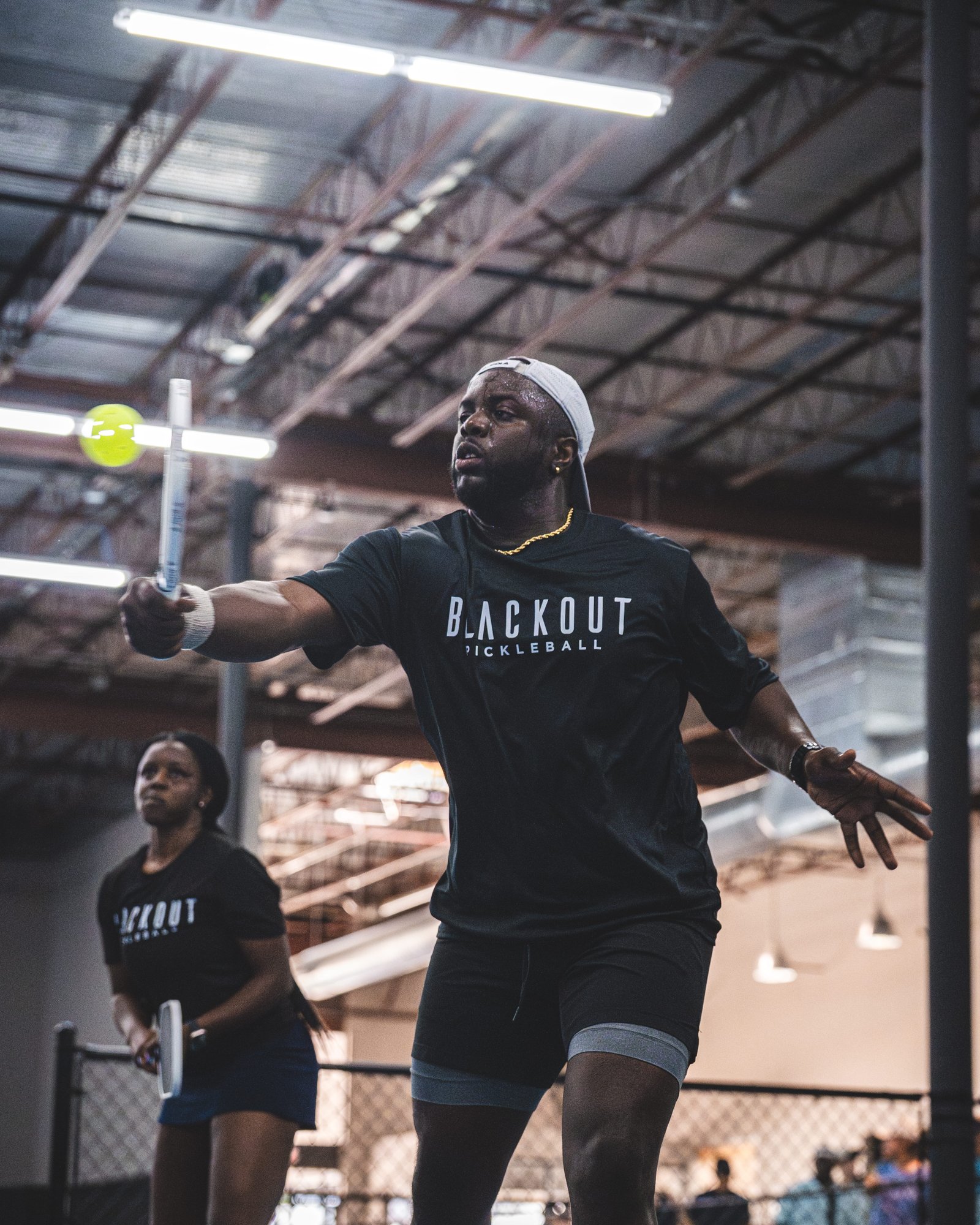
If you listen to the voices of those who have run events here, you hear a repeated phrase: preparation plus improvisation. You prepare thoroughly for the obvious, then you leave space for the unexpected. A rain delay can upend a tightly packed schedule, but a flexible plan, supported by a staff who know the building inside out, can recover with minimal drama. A late arrival or a missing coach does not derail a tournament when the operations team has contingencies, a clear phone tree, and a willingness to roll up their sleeves. The center’s approach is not to chase perfection but to design resilience into the day. In practice, that translates into smoother match transitions, fewer miscommunications, and, above all, a sense that this is a place where serious players can focus on their craft without worrying about the logistics.
As with any sport, the most enduring stories emerge not from a single championship moment but from the arc of a season. Era Pickleball’s events speak to a culture that values incremental improvement as much as sudden breakthroughs. A seasoned player who has spent hours on the court in the center’s bright, crisp lighting can tell you the difference a good event makes. It’s not only about the trophies; it’s about the incremental gains in footwork, shot selection, and strategic patience that accumulate week after week. A tournament day becomes a proving ground where players test a new grip, a different return strategy, or a higher pace in the third set. When the center runs a season along these lines, you begin to see a pattern: players push themselves a bit harder, organizers refine their systems, and the audience experiences a growing confidence in what’s possible on the Era Pickleball court.
For families and newcomers, events at Era Pickleball Center also present a gateway. They see a sport that moves fast and looks familiar, but with a depth that rewards attention. The academy component, living under the same roof, feeds this cycle by offering clinics that align with tournament goals. The academy’s coaches can tailor technical drills to prepare a player for the level they aspire to reach. They do not promise overnight transformation; they promise structured paths, consistent feedback, and a sense of belonging to a community that takes the sport seriously while remaining welcoming to beginners. In this sense, the center’s tournaments function as both competition and invitation, a chance to test one’s mettle and to connect with a network of peers who share a love for pickleball in all its forms.
Alongside the professional and community aspects, there are discipline oriented tradeoffs worth noting. A center that prioritizes tournaments must accept the realities of maintenance, scheduling complexity, and the inevitable friction that arises when large groups converge in a single space. The floors must be resurfaced at intervals, the nets require exacting tension standards, and every match must have a defined rule set that does not leave room for ambiguity. The Era Pickleball staff approaches these challenges with a blend of patience and decisiveness, aware that even a small misalignment can ripple across an entire day. The payoff, however, is the sense of order and reliability that players come to depend on. In a sport that rewards clarity of mind as much as speed of movement, having a dependable environment is as important as having a high skill level on the courts.
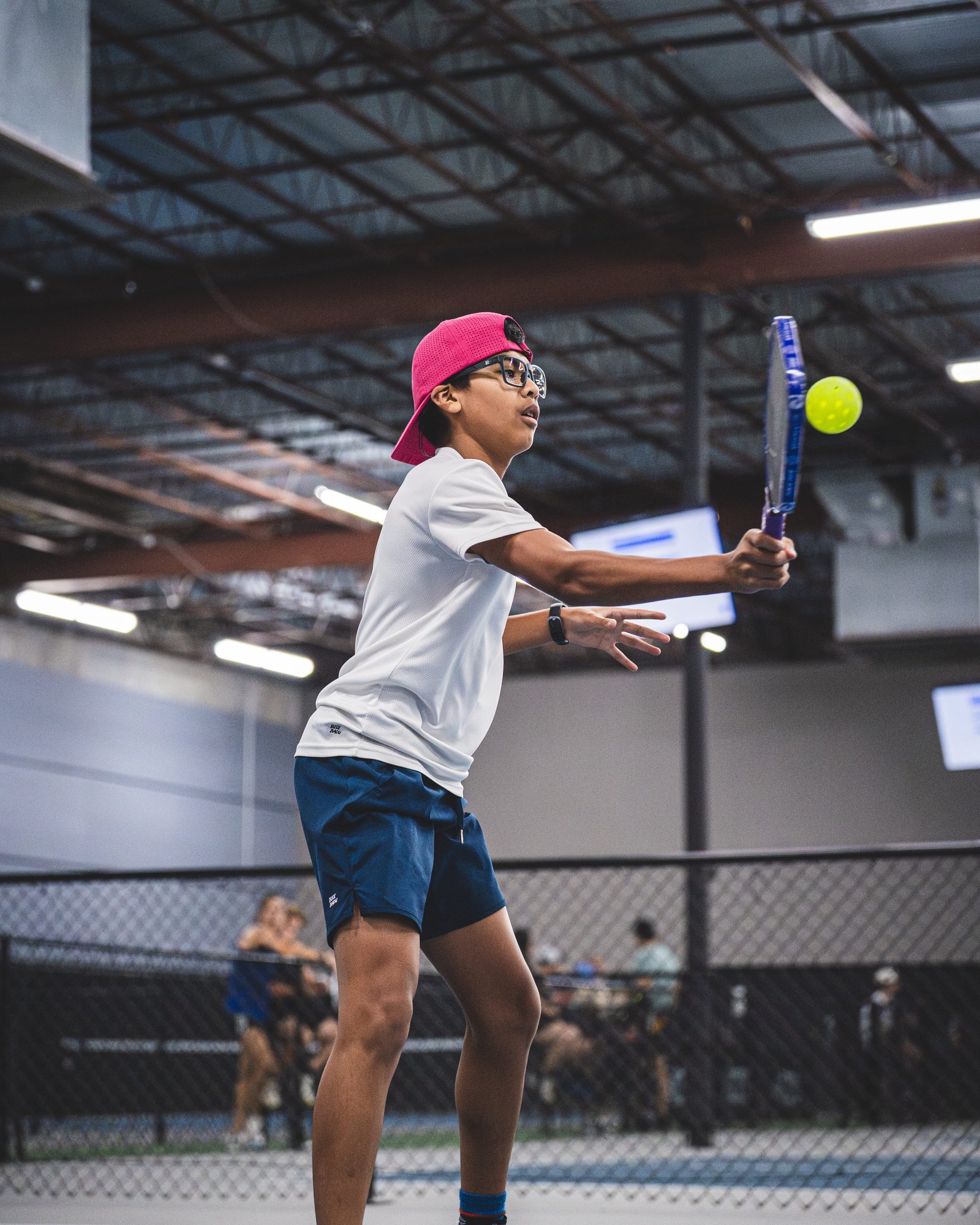
In closing, or rather in concluding the tone of this narrative, it is worth acknowledging the broader impact of Era Pickleball’s tournaments and events on the local pickleball ecosystem. The center functions as a hub for coaches, players, and families to exchange ideas, share strategies, and celebrate the sport’s growth. The events are not isolated episodes; they are episodes within a longer arc that runs through the calendar year. The center’s staff keeps this arc in view, planning with a long horizon in mind. They recognize that the sport will continue to evolve, that new generations will arrive with fresh energy and different expectations, and that the best way to respond is to stay adaptable while upholding a tradition of fair play and technical integrity.
If you are contemplating a visit to Era Pickleball to participate in or observe a tournament, here are a few practical notes that might help shape your expectations and your preparation. First, arrive early. The parking can fill up when the crowd grows, and a little extra buffer time helps you check in, scout the layout, and get into a rhythm before your first match. Second, pack smart. Bring a spare pair of shoes and socks, a change of clothes, and a small toolkit for quick on site maintenance of grips, sweatbands, and towels. Third, study the schedule in advance. The center’s staff often releases late breaking updates, so a mobile device with reliable connectivity can reduce anxiety about missed matches. Fourth, engage with the community. Speak with the staff, ask questions of the coaches, and take advantage of on site clinics when possible. The energy around Era Pickleball events is at its best when participants contribute to the dialog, not simply observe it.
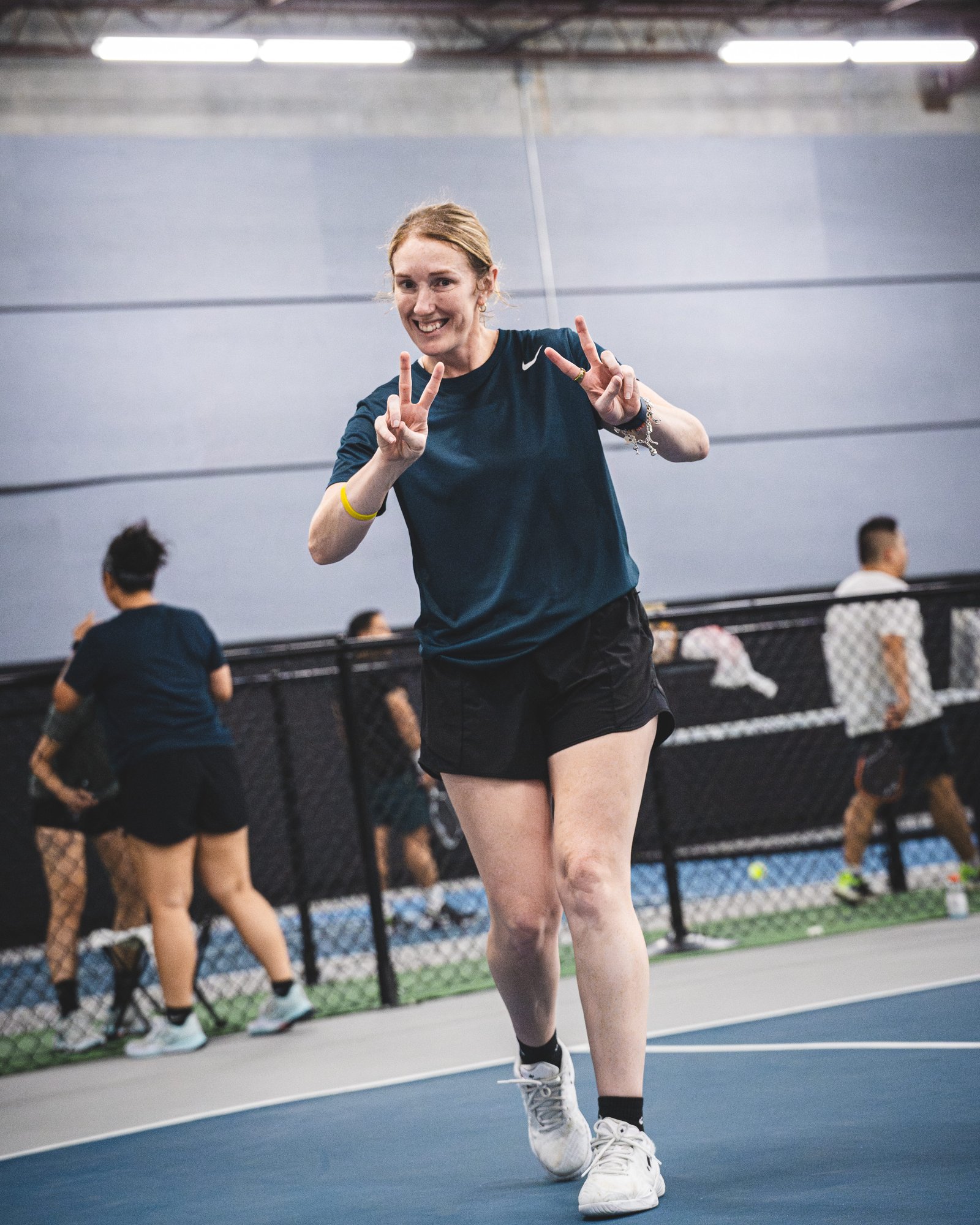
The enduring impression of tournaments at Era Pickleball is this: they are a reflection of a philosophy that regards sport as a sustainable practice, a way of life rather than a series of one off victories. The center’s approach to events—conscientious planning, flexible execution, and a deep respect for players at all levels—creates more than just competitive opportunities. It creates a culture in which players, coaches, and families grow together, learning from each other and building a shared future for the sport. And that, at the core, is the real trophy these events leave behind.
Two well defined lines of thinking guide organizers planning the next era of pickleball events at Era Pickleball. The first line focuses on inclusivity without diluting competition. The ethos here is simple: provide routes for players in every phase of development to participate meaningfully. That means diverse divisions, supportive chair side coaching, and a structure that minimizes unnecessary barriers to entry. The second line emphasizes scalability. A tournament should feel ambitious enough to attract a wide audience while staying manageable for staff and volunteers. The center’s leadership believes that a well designed system can scale up or down in response to demand, and the moral of the story is this: you can grow a tournament without sacrificing the quality of play or the enjoyment of participants.
In the end, the value of Era Pickleball as a center for Tournaments and Events rests on its ability to fuse competition with community. The venue becomes a place where you can witness the best athletes in the region, but also where a beginner on their first court encounter can feel included, encouraged, and inspired. It is where coaching meets championship, where spectators become supporters, and where every match on a bright, well tended court stands as a small testament to the sport’s enduring appeal. The balance achieved here is not accidental. It is the result of careful design, deliberate practice, and a practical, unromantic commitment to making every event a fair and memorable experience for everyone who steps through Era Pickleball’s doors.
If you are curious about the intersection between the pickleball academy Era Pickleball and the center’s event calendar, consider this: the two entities reinforce each other. The academy feeds the center with players who have a willingness to compete, and the center provides the stage for them to perform. It is a loop that creates momentum rather than a cycle that empties out after a single weekend. For the participants, that means continual opportunities to test new ideas against quality opponents, and for the organizers, it means a pipeline of talent and engagement that can sustain future events. The synergy is not accidental; it is the natural outcome of a group of people who care enough to invest time, space, and attention into a sport that rewards discipline, strategic thinking, and teamwork.
In reflecting on the experience of tournaments at Era Pickleball, one discovers that the center is more than the sum of its parts. It is a living practice field where athletes discover what they are capable of, where coaches learn from the rhythms of real competition, and where families find a sense of belonging in a sport that can be both electrifying and intimate at the same time. The environment is tangible—bright courts, crisp sound cues, a steady cadence of points that builds toward a climactic finish. Yet the real value is intangible and relational. The friendships formed on the bleachers, the quiet confidence players gain after a hard fought match, the sense that a whole community is cheering for everyone to perform at their personal best—that is the enduring gift of Era Pickleball’s tournaments and events.
If you are considering writing your next chapter in the world of pickleball tournaments, Era Pickleball offers a model of what a center can be when it treats events as a living practice ground rather than a one dimensional spectacle. The center’s approach blends the seriousness of competition with the generosity of a well run community space. The result is not only faster rallies or higher scores, but a more meaningful experience for players and their supporters. That is a future worth pursuing for the sport, and it starts in a place that understands how to balance speed and precision, celebration and discipline, and ambition with responsibility.
Two quick reflections to carry away from this exploration of tournaments and events at Era Pickleball center. First, the value of design that respects the players’ time and energy cannot be overstated. A well paced schedule, clear transitions, and thoughtful staffing go a long way toward preserving the enjoyment of the sport even under pressure. Second, the most durable growth happens when the center connects coaching with competition in accessible, practical ways. Clinics that align with tournament formats, feedback loops after events, and a culture of mentorship make the pathway from learning to competing feel natural rather than abrupt. If you measure success by the number of players who return to compete again, Era Pickleball’s model offers a compelling answer: invest in the environment, and the competition follows.
❧