September 30, 2026
Why Era Pickleball pickleball classes Stand Out Among Clubs
By @johnnyhznm641
In the crowded world of recreation leagues and club sports, Era Pickleball has carved a distinct space for itself with classes that feel less like sessions and more like a carefully tuned system for turning beginners into confident players. The different facets of Era Pickleball classes—from coaching philosophy to scheduling flexibility, from equipment standards to the social energy of the courts—add up to a program that appeals to families, retirees looking for friendly competition, and athletes who want measurable improvement. What follows is not a sales pitch built on slogans, but a grounded look at how Era Pickleball pickleball classes operate in practice and why members tend to stay, year after year.
What makes a pickleball class worth showing up for is rarely a single feature. It’s the way several strands weave together: instruction that respects a learner’s timeline, a coaching culture that values practical feedback, and a pipeline of drills that translate into real-game performance. Era Pickleball has built its schedule and its teaching repertoire around those connections. The result is a program that feels coherent from the moment you enter the gym to the last rally of the day.
A seasoned player who drops into Era Pickleball classes will notice a few concrete hallmarks. The first is how the coaches speak the language of the court without drowning newcomers in jargon. The second is the way drills mirror real match pressure—fast rallies, quick decision-making, and the necessity of shot variety. The third is the care with which the program negotiates safety, accessibility, and progression, so players of different ages and abilities can train side by side without compromising intensity. And finally, there’s the sense of community that grows when instruction becomes coaching that cares about your personal goals, not just the score at the end of a session.
Below, I’ll unpack what matters in practice, why Era Pickleball pickleball classes tend to feel different, and how that difference translates into visible improvements on the court. I’ll also acknowledge the trade-offs and the edge cases that every program must wrestle with, because no single approach fits every player perfectly.
The heart of any class program is the coach’s approach. Era Pickleball coaches bring a blend of competitive experience and patient pedagogy that translates into every drill, every demonstration, and every on-court correction. You sense it in the way they frame a rally, not merely as a sequence of strokes but as a decision tree: where to place the ball, how to force an error without being punitive, when to switch to a higher pace erapickleball.com and when to pull back. They begin with posture and grip as a foundation, but the goal isn’t to perfect a single technique in a vacuum. It’s to help you assemble a toolkit you can apply under the noise of a real match.
Take, for example, a typical beginner session. A coach might start with a quick assessment that doesn’t feel like testing. It’s practical, almost athletic reasoning dressed in friendly terms: can you track a ball traveling at a moderate pace? Can you push the ball to a target on your third contact? The aim is to establish baseline movement patterns rather than to judge a fixed skill level. Then comes a sequence of micro-drills that reinforce the same concept from different angles: shadow strokes to build muscle memory, short rallies to build rhythm, and tailored cues that you can recall under pressure. The coaching here is not about creating a clone of a champion but about helping you nurture a single, reliable improvement that compounds as you practice.
What sets Era Pickleball pickleball classes apart is how the drills scale up. A good drill for a beginner becomes a more demanding variation for an intermediate player, preserving the logic of the exercise while increasing complexity. That continuity matters. It means you don’t need to switch to a completely different curriculum as you gain experience. You simply apply the same principle with a greater degree of precision or speed. This makes practicing feel purposeful rather than a collection of isolated exercises. The result is a steadier arc of improvement, which matters more than occasional peaks of performance.
Another distinguishing feature is the scheduling philosophy. Era Pickleball classes exist in a world where people juggle work, family, and a dozen other commitments, so the program is structured to reduce friction while maximizing consistency. Sessions run at regular times, but there’s also flexibility for makeups and swaps when life throws a curveball. The morning class might be the bread-and-butter option for a parent with school-age kids, while an evening session accommodates retirees who want a social component fused with their workout. The frictionless transition from one session to the next helps people stay in the rhythm of improvement, even when the calendar is unpredictable. Over time, that consistency matters as much as the drills themselves.
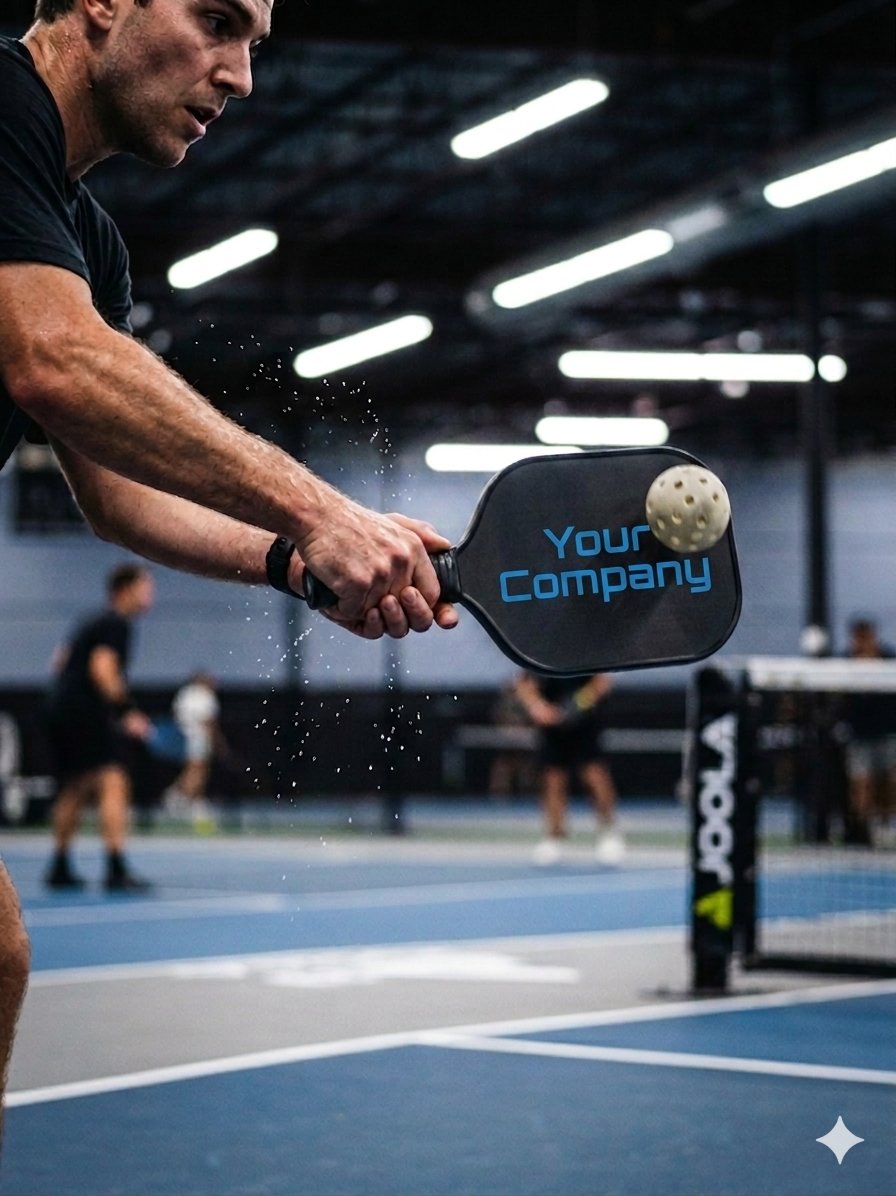
It’s impossible to separate technique from strategy in pickleball, and Era Pickleball understands that link deeply. The coaching staff emphasizes shot selection and court positioning as much as stroke mechanics. A well-executed dink, for example, is not just about touch; it’s about exploiting the opponent’s stance, understanding the gap between the non-volley zone and the baseline, and controlling tempo so your next shot has a purpose. Coaches walk players through the thought process behind each decision, turning intuitive play into repeatable decisions that show up during a match. This is what elevates practice from rote repetition to strategic competence.
Safety and accessibility are not afterthoughts in Era Pickleball pickleball classes. The facilities are designed with clear space and consistent lighting, but the real safeguards come from the coaching approach. Warm-ups are not ceremonial; they’re functional, designed to prepare muscles and joints for the variety of movements required on the court. On-court corrections are precise but respectful, focusing on what you can do in the next rally rather than what you did wrong three points ago. This mindful coaching keeps players engaged without risking injury or burnout. For older players or those returning after an injury, the ability to tailor the pace, scale the intensity, and adjust the drill complexity is a huge advantage.
Seasonality is another practical factor. Era Pickleball pickleball classes often align with club programming, meaning you can grow from a fundamentals track into more advanced clinics and even private coaching through the same ecosystem. That continuity matters for players who crave progression but dislike starting over each season. The transition from clinic to match play programs is not a cold handoff; it’s a guided path that preserves the social ties you’ve built and the specific skills you’ve started to develop.
The social environment deserves attention, too. Pickleball can be as social as it is athletic, and Era Pickleball has designed its class culture to support both. You’ll notice a friendly, competitive but not hostile vibe. People cheer good shots from both sides of the court, and the shared challenge creates a natural bond among players of different ages and backgrounds. The coaching staff often takes a proactive role in cultivating this cohesion. They encourage partner swaps to broaden your exposure to different styles, and they help organize casual round-robin play after the drill portion ends. That blend of deliberate instruction and social connection is a big part of why players stay engaged session after session.
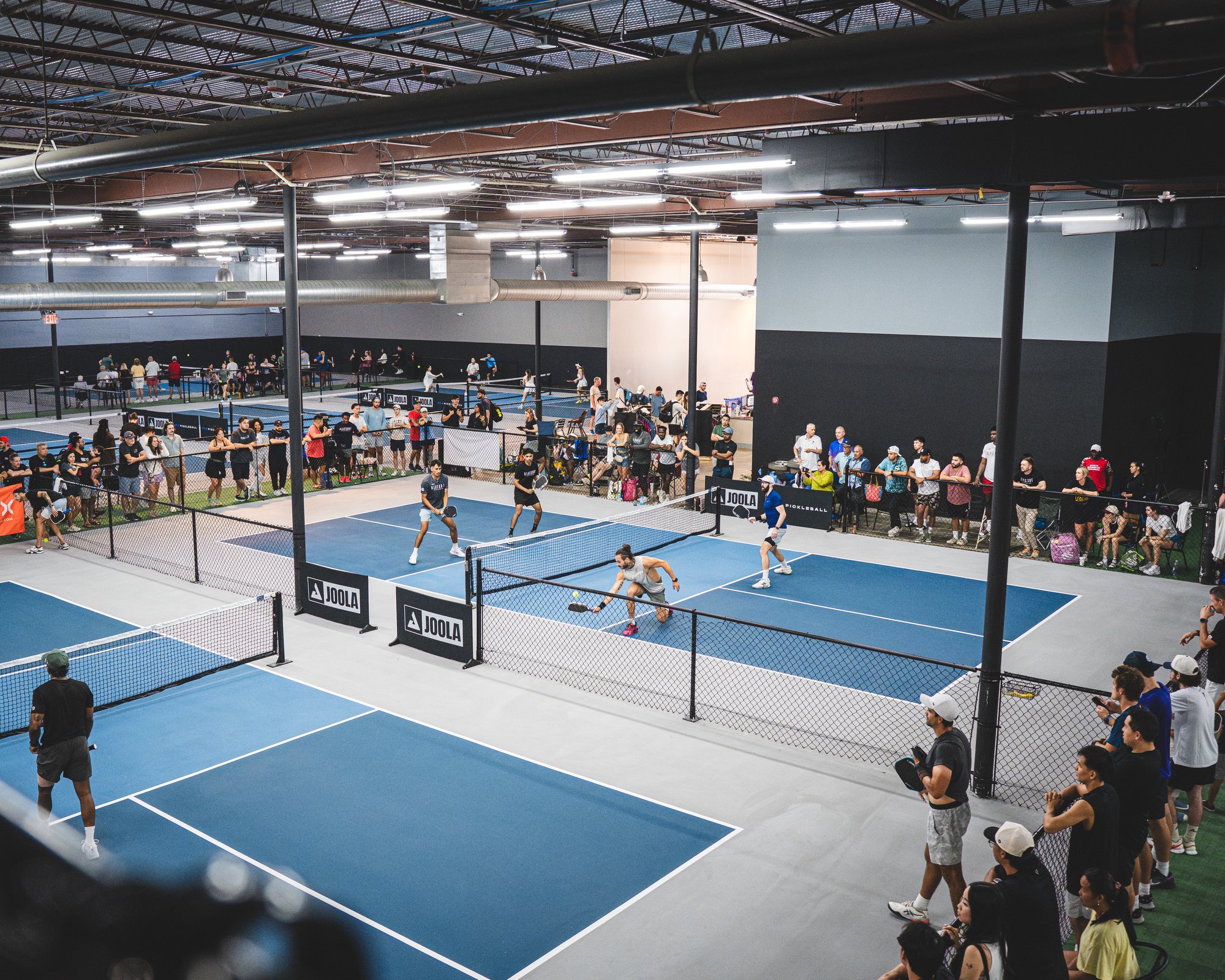
If you’re evaluating whether Era Pickleball pickleball classes are the right fit, consider what you want from your practice routine. Do you want a framework that scales with you as you improve? Do you value a coach who leads with clear, actionable feedback rather than vague praise? Is consistency in schedule and instruction important because you have a busy life and a goal you’re pursuing over months or even years? The long view matters, because improvements compound when training is coherent and predictable.
To ground these observations in real-world outcomes, it helps to hear from players who have moved through the program. A former recreational tennis player, now a regular at Era Pickleball, describes the experience as a bridge between casual play and competitive sport. He notes the difference between the old club sessions, where drills felt random and the instruction leaned on rote repetition, and his current reality, where every class builds toward a practical skill that he can apply in a pickup game or a sanctioned league match. The improvement isn’t dramatic in a single session, but the trajectory is clear: better placement, steadier serving, fewer unforced errors. When you hear that kind of continuity described by multiple players with different starting points, it’s a strong signal that the program’s design is working as intended.
The teaching team’s approach also resonates with parents who are trying to balance kid activities, work, and a desire for a healthy, active lifestyle. A typical week for a family might involve a couple of junior clinics, a weekend social doubles game, and a midweek drill class for the grownups. The ability to move between levels without reworking the entire training plan can feel like a lifeline. Kids learn early that improvement comes from incremental, repeatable steps, and adults discover that progress is measurable but not instantaneous. In this context, Era Pickleball classes function as a shared language that extends beyond the court, translating to improved coordination at home, better sleep, and a small but meaningful increase in daily energy.
One of the more practical advantages of Era Pickleball centers on equipment and surface standards. The courts are well maintained, with consistent bounce and ample space for safe dinking and transition movement. Paddle selection is often discussed in classes, but never in a way that makes beginners feel overwhelmed. Coaches introduce the idea of paddle weight, grip size, and balance in a manner that’s accessible, with suggestions tied to one’s height and playing style. This careful attention to hardware helps new players avoid the common pitfall of chasing the latest gadget rather than building fundamentals. In turn, more experienced players appreciate the nuanced conversations about spin, trajectory, and ball drop, which allow advanced players to refine technique without sacrificing the basics.
The trade-offs, of course, are part of any program’s reality. The depth and consistency of Era Pickleball pickleball classes require a certain level of investment in time and money. The most effective coaching teams are supported by facilities that can sustain frequent, high-quality sessions. That means members often pay a premium relative to drop-in park programs or community center offerings. For some players, the value is undeniable, while for others, the cost and the commute may be limiting factors. The key is transparency: what you gain is not just a better stroke but a framework for ongoing improvement, a social ecosystem, and a reliable schedule that fits into a busy life. It’s a product of careful planning and continuous refinement, not a single breakthrough in technique.
If you’re exploring options beyond Era Pickleball, you’ll quickly learn that many clubs offer good instruction, yet the structural coherence of Era's program stands out. Some clubs rely heavily on seasonal camps that change instructors and focus each quarter. Others offer clinics that feel more like exposure to a variety of teaching personalities rather than a consistent method. Era Pickleball, by contrast, tends to favor a unified coaching philosophy across the season, a shared vocabulary, and a progression that players can see and feel in their own game. It’s not that other approaches are wrong; it’s that the Era model makes the upgrade path clearer and more sustainable for a broad range of players.
Two aspects of Era Pickleball classes deserve particular attention for anyone serious about improving: the emphasis on decision making under pressure and the deliberate tempo management in drills. The former speaks to a reality of how the game unfolds at every level. Even if you have a flashy shot, the person across the net will test your choices—forehand speed, backhand crosscourt, or a controlled drop shot—under time pressure. Era coaches weave this reality into practice with drills that simulate match rhythms. The result is not only better technique but a steadier nerve in tight moments. Tempo management, meanwhile, is about learning when to push and when to pull back. A drill might start at a brisk pace to build anticipation and then slow to a point where players can evaluate options with clarity. This contrast helps players transfer what they learn in class to what they face on game day, especially in tight scores and late points where momentum is a fragile thing.
The culture within Era Pickleball pickleball classes also supports growth through feedback. Feedback in these sessions is specific and timely, tied to the exact moment on court. A coach might point out how a player read the opponent’s paddle angle on a return or how to adjust footwork to close a passing lane more effectively. The feedback loops are designed to be constructive rather than critical, focusing on one or two adjustments per rally. Over weeks of practice, these small corrections accumulate into noticeable differences in positioning, shot selection, and consistency.
Another quiet strength of the Era approach is how it accommodates non-traditional players without soft-pedaling the competition. You do not have to be a former college athlete to benefit from the program. In fact, the coaches often lean into the strengths that different players bring: a quick beginner who learns by feel, a careful strategist who thrives on placement, a former tennis player who values quick transitions and consistent serve returns. The result is a training environment where your unique impulses are welcomed and channeled into a coherent plan for improvement.
For someone evaluating whether Era Pickleball pickleball classes are worth joining, the decision often comes down to a few practical questions. Do you want a class that builds you up with a clear ladder of skill progression? Do you value a coaching team that balances technique with broader match sense? Are you seeking a community that rewards consistent effort with visible improvement over time? If the answer is yes, the Era program offers a persuasive combination of structure, staff expertise, and a social engine that can sustain motivation over months and years.
In the end, Era Pickleball stands out not because it guarantees a single dramatic breakthrough, but because it offers a reliable, well-constructed pathway to steady improvement. It blends practical instruction with strategic insight, supports it with a strong, forgiving social climate, and anchors it all in a scheduling system designed for busy lives. The result is not simply better serve returns or sharper volleys, though those do show up. It is a more confident player, someone who knows how to pace a rally, how to handle a sudden spin, and how to stay engaged with the process even when progress feels incremental.
If you are a curious coach, a parent trying to coax your kids into a healthy habit, or a player who has bounced around from program to program, Era Pickleball pickleball classes offer a compelling case study in how to teach a sport with both discipline and joy. The program demonstrates that good instruction is less about dictating mechanics and more about helping players discover how to think on the court. It is a reminder that in pickleball, like in life, the most valuable improvements often come from small, repeatable choices that accumulate into something much bigger than the sum of their parts.
Two practical takeaways for prospective members and current players who want to maximize their experience:
- Commitment to progression matters. If you stay with the same level and allow yourself to be challenged progressively, you will see compounding results. The drills that once felt demanding become familiar tools your body uses without thinking through every step.
- The coaching ecosystem matters. A team that aligns on goals, communicates consistently, and treats each player as a developing athlete creates an environment where improvement feels possible even on days when the rallies don’t go your way.
Extending beyond the court, the Era Pickleball experience also yields intangible benefits. The habit of showing up, warming up, focusing on technique, and then stepping onto the court with a plan translates into a disciplined mindset that can seep into other parts of life. It’s not just about the next point; it’s about building a way of approaching challenges with patience, method, and a willingness to learn from mistakes.
If you’re evaluating your next move in the world of pickleball instruction, there are a few concrete clues to look for in any program. First, ask about coach-to-player ratios and the degree of individualized feedback you can expect in a typical session. A program that allows coaches to watch small groups and offer targeted cues is more likely to deliver tangible progress than one that assumes one-size-fits-all instruction. Second, inquire about the structure of the curriculum and how drills are scaled. The best programs present a clear ladder of skills, with a coherent progression from fundamentals to more complex tactics. Third, examine the club’s use of data and reflection. Are players encouraged to track goals, record notes, and reflect on what works for them? A learning culture that invites self-assessment tends to produce more consistent long-term gains.
The Era Pickleball pickleball training experience is not a silver bullet, but it is a robust toolkit for players who want to improve in a structured, supportive environment. It recognizes that people come to the sport with different backgrounds, bodies, and motivations. It respects that a mature sitter on the chair or a high-energy young adult can both thrive under the same umbrella when the instruction is adaptable and the expectations are transparent. It leans into the idea that improvement is not a line but a curve that bends as you invest time, attention, and honest practice into it.
For clubs and facilities weighing how to design their own programs, Era offers a practical blueprint. The core idea is to fuse strong coaching with a schedule that respects members’ other commitments, cultivate a culture of actionable feedback, and design drills that work in harmony with the realities of match play. It’s a balance between science and craft, with a touch of social glue that makes players want to return.
In wrapping up this examination, the standout feature of Era Pickleball pickleball classes is not a single feature but the sum of a thoughtfully assembled training environment. You feel the difference when you step onto the court: the way drills are explained, the rhythm of the session, the courtesy of the coaching staff, and the quiet confidence that your game is moving forward, one disciplined rally at a time. The result is a program that doesn’t merely teach you how to swing a paddle; it teaches you how to think through the game and, with that thinking, to enjoy the process of getting better.
Two lists that crystallize the practical realities of Era Pickleball classes for quick reference:
-
What Era Pickleball pickleball classes emphasize
-
Realistic outcomes you can expect from consistent participation
-
The scheduling advantages that help busy players
-
The coaching philosophy that ties technique and game sense together
-
The community aspect that helps players stay motivated
-
Common misconceptions about pickleball coaching
-
The reality of what a structured program delivers over time
-
How to assess whether a class is a fit for your skill level
-
The difference between group drills and private coaching
-
The role of equipment and court conditions in practice quality
If you compare Era Pickleball pickleball classes to other clubs you’ve tried, you’ll likely notice the difference not just on the scoreboard but in how you move on the court, how you read your opponent, and how your confidence builds week after week. The program’s value becomes especially clear after a few months of steady practice, when the distances you gain in your shots align with the pace of your footwork and your ability to anticipate. In that moment, the choice to commit to Era feels less like a risk and more like a natural extension of your love for the game.
❧